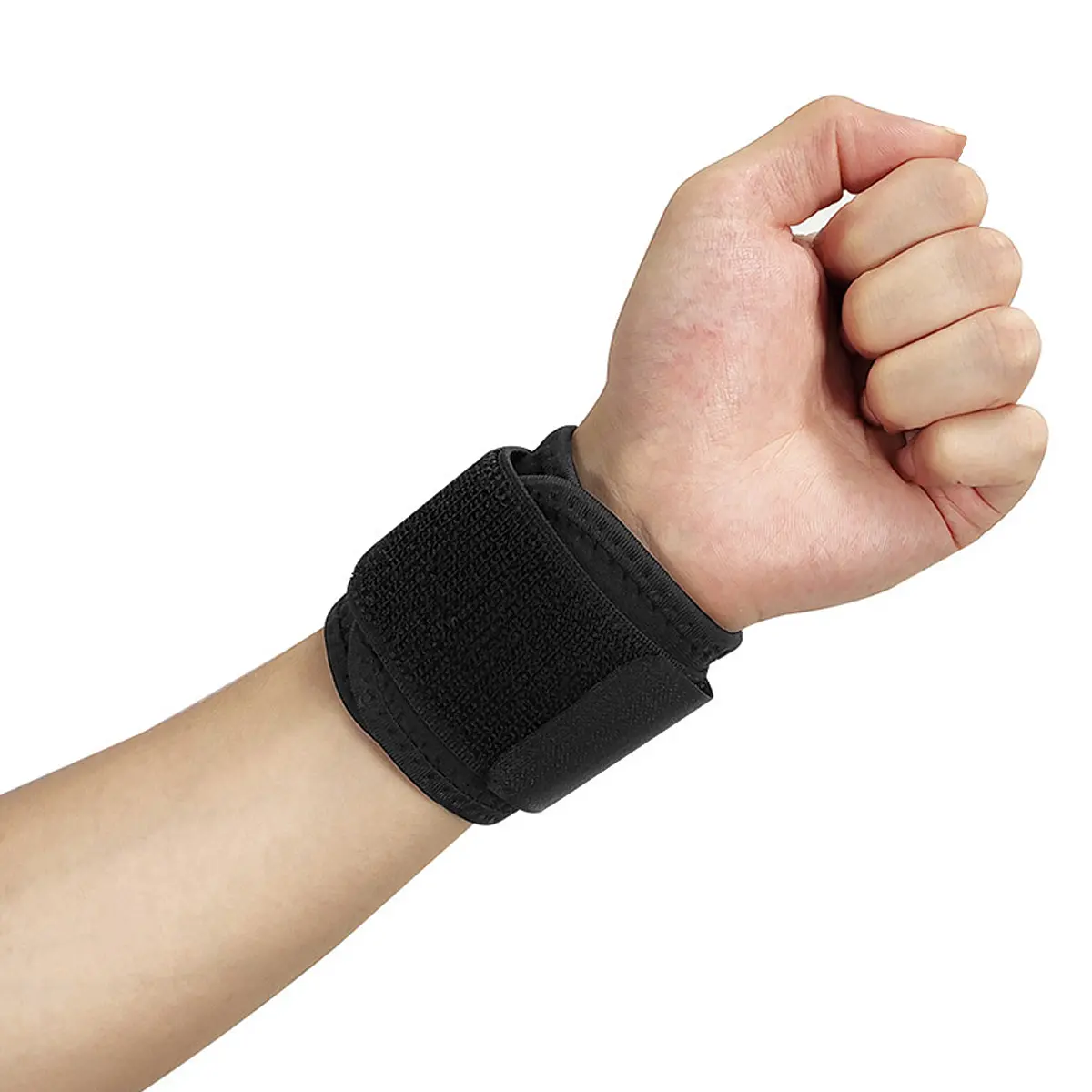
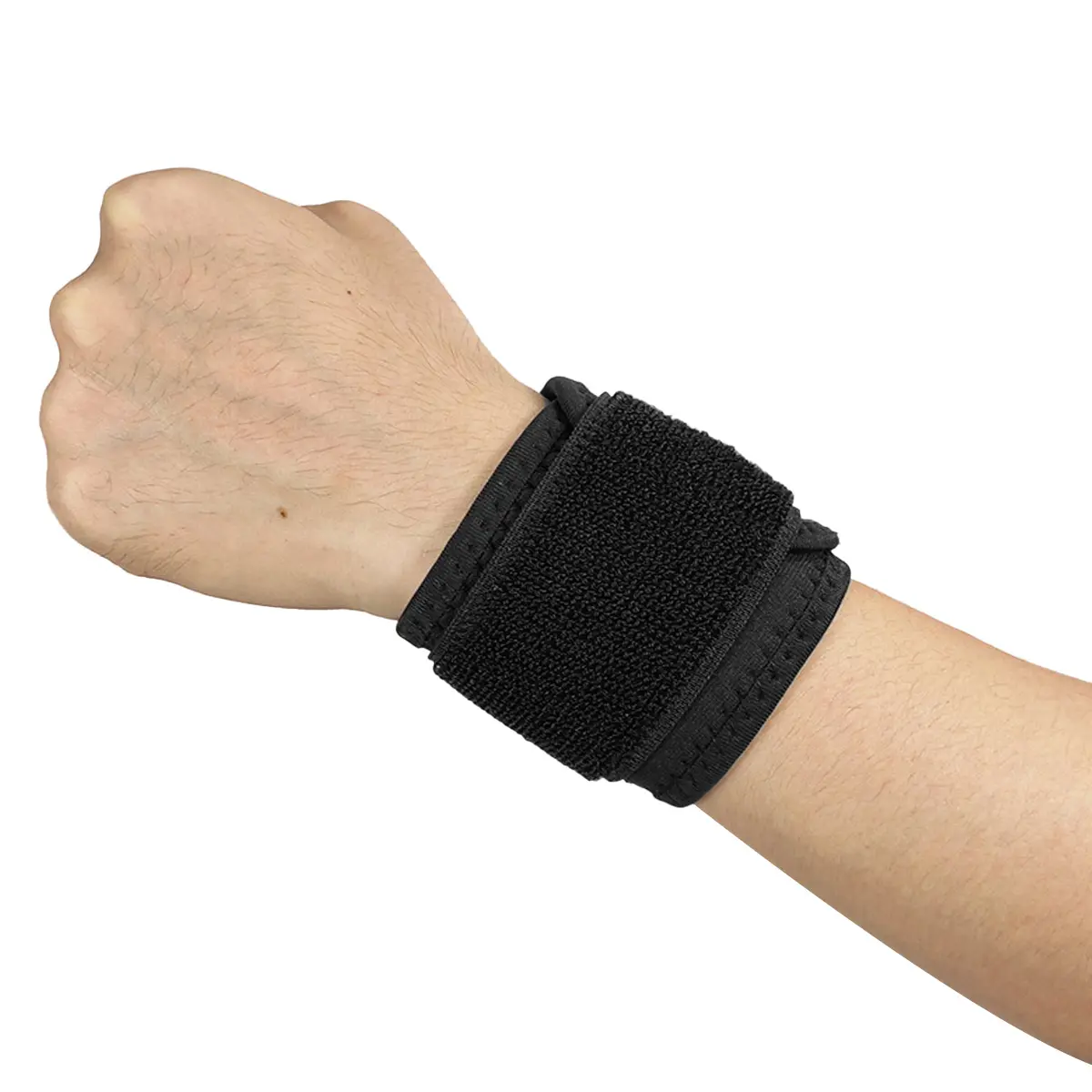
The wrist is the most active part of our body. The chance of tendonitis at the wrist is very high. To protect it from sprain or accelerate recovery, wearing wrist guard is one of the effective methods. Wristbands have become one of the necessary items for athletes to wear.
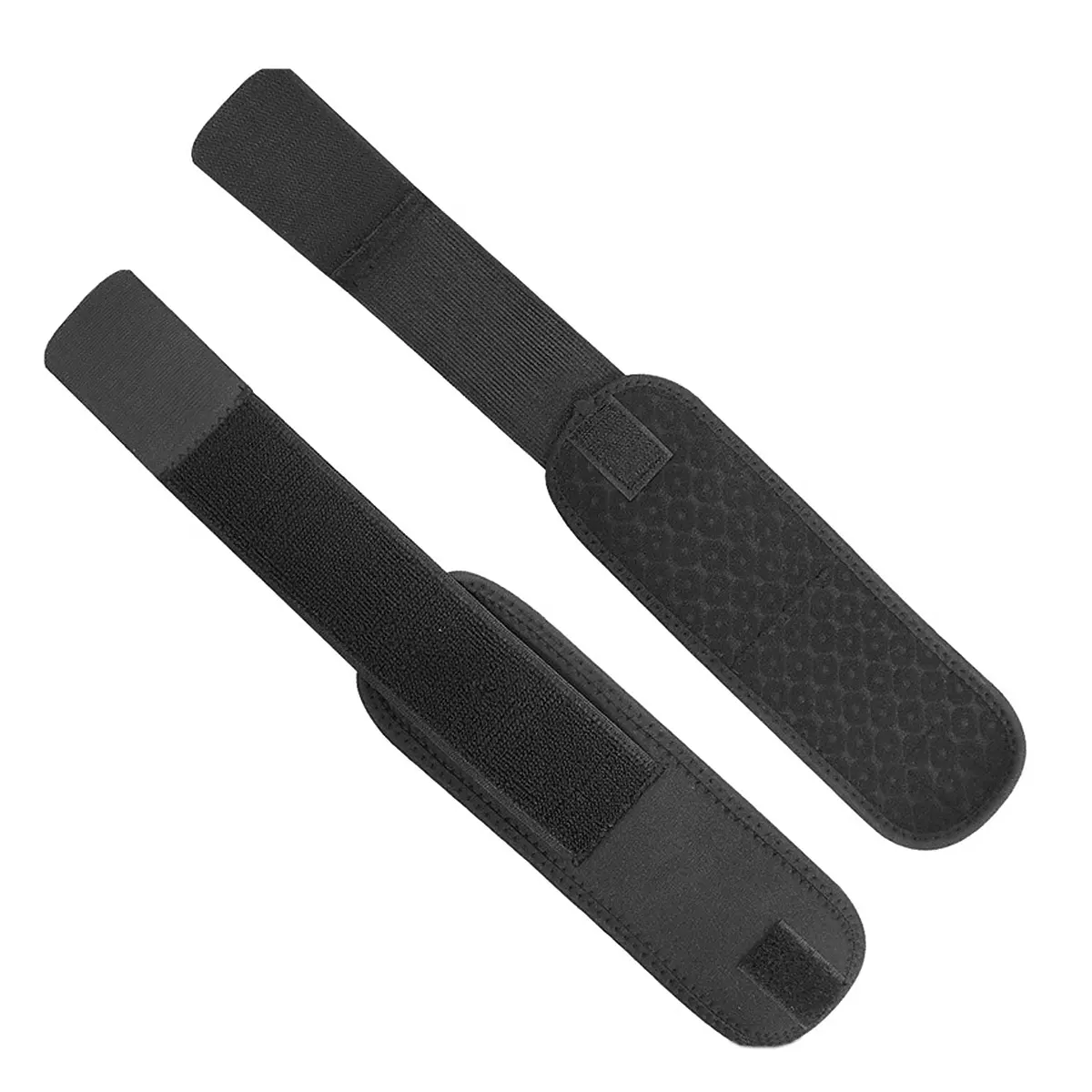
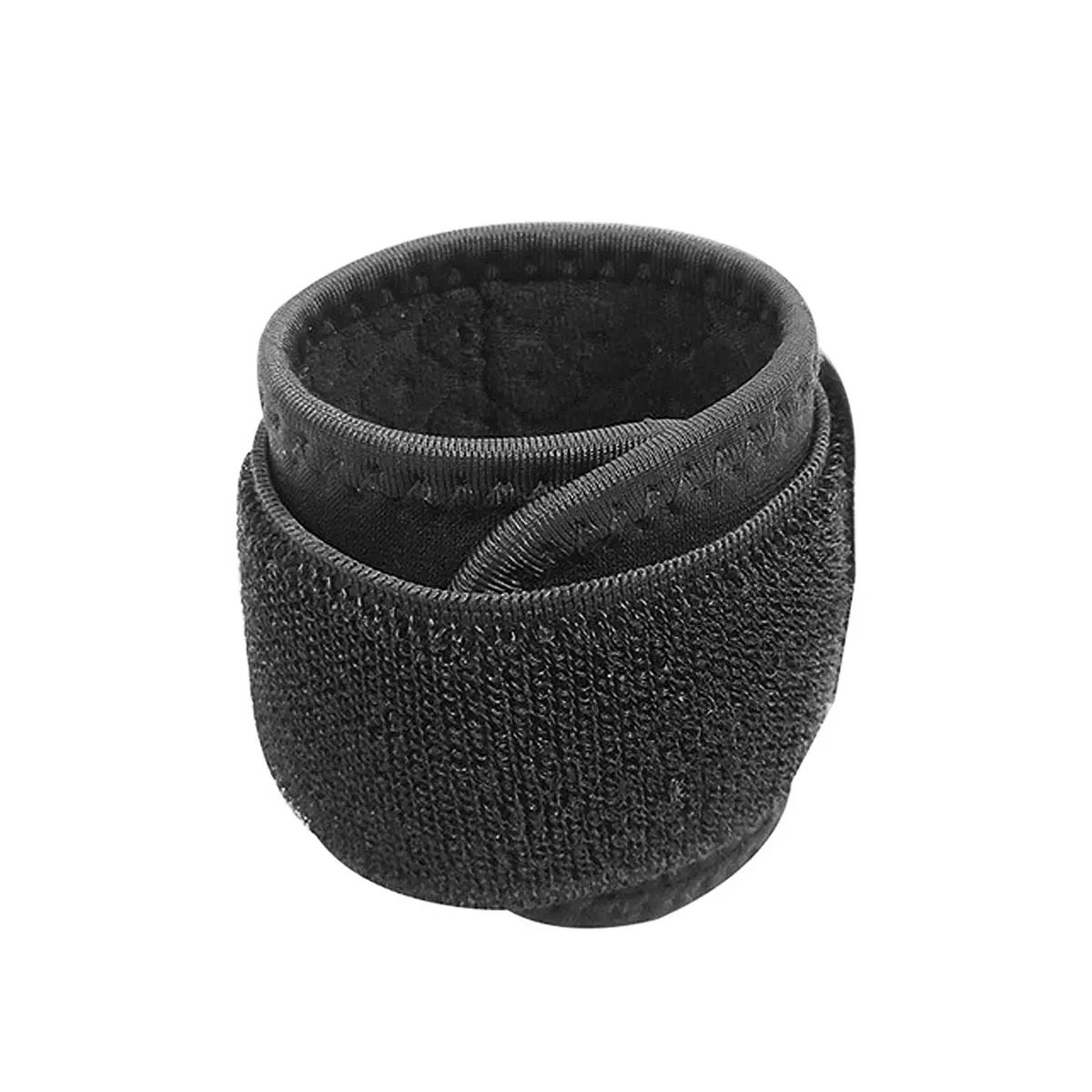
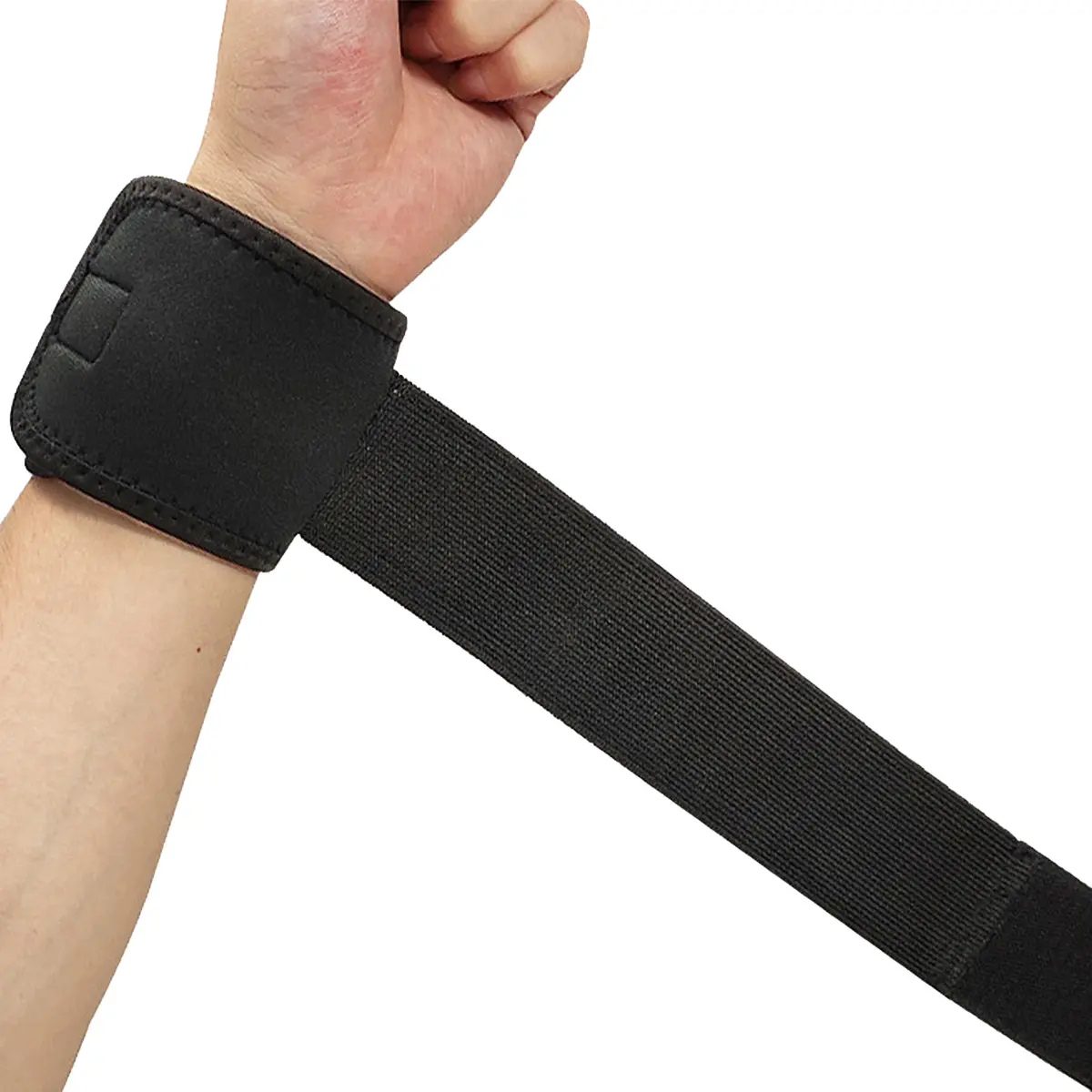
Wristbands are best avoided to hinder the normal operation of the hand, most wristbands should support finger movement without restriction. Nylon wristbands are knitted, breathable, and highly hygroscopic. Nylon wrist braces are divided into sleeve and strap types, and the appropriate ankle brace can be selected according to the degree of injury. Of course, people can also use wrist braces to prevent wrist sprains during exercise and help people exercise better. Wrist pain in some patients can stretch the long tendon extending into the thumb, so a wrist brace that includes the thumb is also designed to help the wrist joint better recover.
✔
The material is knitted nylon which is breathable, hygroscopic and comfortable.
✔
Nylon wrist supports are stretchy and adapt well to different wrist sizes.
✔
Provides targeted pressure to help reduce swelling in the injured wrist joint.
✔
Restricts excessive motion, allowing the injured area to recuperate effectively.
✔
Strengthens the wrist area, enhances stability, and relieves stiffness after exercise.
✔
Specially treated edges reduce discomfort and skin friction during sports.
✔
Lightweight, soft, and durable design that won't restrict natural movement.
✔
Promotes better movement performance without hindering athletic dexterity.
Frequently Asked Questions
Q1: What materials are used in these wrist supports?
The wristbands are made from high-quality knitted nylon, which is specifically chosen for its breathability, moisture-wicking (hygroscopic) properties, and comfort.
Q2: Can I move my fingers freely while wearing the wrist guard?
Yes, the design focuses on supporting the wrist joint without restricting the normal operation of the hand and fingers.
Q3: How does the wristband help with sports injuries?
It provides compression to reduce swelling and limits a wide range of motion to allow the injured tendons and joints time to recover.
Q4: Is the material suitable for sensitive skin?
The edges of our wristbands are specially treated to minimize friction and skin irritation, ensuring a soft and smooth contact during prolonged use.
Q5: Will the wristband fit different sizes?
Absolutely. The nylon material is inherently stretchy, allowing it to adapt and provide a snug, secure fit for various wrist sizes.
Q6: Is it better to wear a sleeve or a strap type?
Selection depends on the degree of injury. Sleeve types offer general compression, while strap types may provide more adjustable stabilization depending on your specific needs.
 Wayeah International