Injuries are common in soccer, affecting players at all levels. One effective solution is the Soccer Back Brace. This specialized equipment offers support for the spine and core. It can significantly reduce the risk of back injuries, a frequent concern for athletes.
Many players overlook the importance of back support. They may think they are strong enough or don't need extra help. However, the stress from constant running and kicking can lead to serious problems. A Soccer Back Brace can enhance stability, allowing for better performance on the field. It acts as a protective layer, absorbing impact and reducing strain.
Using a Soccer Back Brace isn’t just for players recovering from injuries. It can also be a preventative measure for those training hard. Recognizing the need for support shows maturity and self-awareness in sports. In a game where every movement counts, investing in safety is crucial. Choosing to wear a Soccer Back Brace could safeguard your future in the sport.
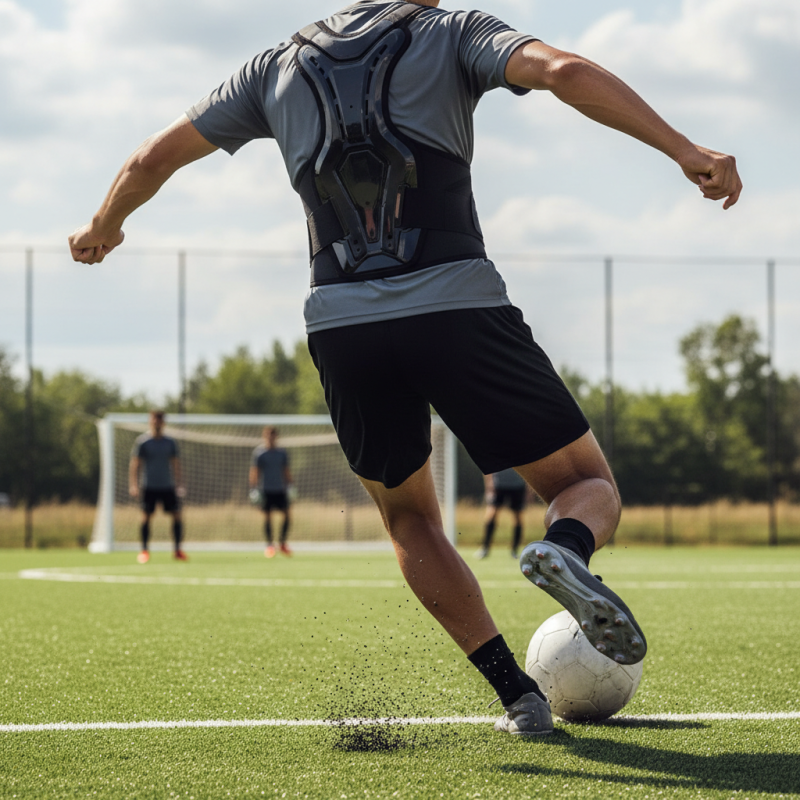
In soccer, injury prevention is crucial. Players face high-intensity movements. A soccer back brace can help reduce the risk of injuries. It provides stability and support to the spine. This is especially important during sudden twists and turns.
Tips: Always warm up before games. Stretching helps prepare your body. Focus on core strength. A strong core can support the back. Understand your body’s limits. Pushing too hard can lead to injury.
Injuries can sideline players for weeks or months. The right preventive measures can make a difference. Players should stay informed about injury risks. Listening to coaches and trainers is essential. They can provide personalized advice. Consider regular check-ups with a sports doctor. This ensures that your body is fit for the game.
A soccer back brace supports your spine during intense play. It stabilizes your lower back. Proper alignment is crucial while running or kicking. A good brace can help prevent injuries, especially during sudden movements.
Wearing a back brace helps distribute pressure evenly across your back. It reduces strain when making quick turns or jumping. The brace should fit snugly but not restrict movement. Experiment with different fits to find what works best for you.
Tips for choosing a back brace: look for breathable materials. Ensure it's lightweight for ease of movement. Always check for adjustable support to customize your fit. It's essential to listen to your body. If you feel discomfort or pain, re-evaluate the fit or discuss with a healthcare professional. Remember, a back brace is a tool—it's not a substitute for strengthening your core muscles through exercises.
Soccer is an exhilarating sport but can lead to various injuries. Understanding common soccer injuries is crucial for players of all levels.
Sprains and strains are common, especially in the knees and ankles. These injuries often occur due to sudden twists or falls. Players who lack flexibility are at a higher risk. Without proper warm-ups, the chances of pulling a muscle increase significantly.
Hip flexor injuries are another frequent concern. They can happen during intense runs or sudden stops. Players should focus on strengthening core muscles and flexibility to mitigate this risk. Overuse injuries, like shin splints, plague many athletes who push their limits. These occur when the body doesn’t have adequate time to recover. Listening to your body is essential to avoid long-term damage.
Injuries can discourage players from enjoying the game they love. Incorporating a back brace can support players as they navigate through intense games. This extra support might not seem necessary until it’s too late. A back brace can offer stability, reducing the risk of serious injuries. Players should prioritize their health by taking preventive measures. Every little detail matters on the field.
Soccer players often face the risk of back injuries. Using a back brace can provide essential support during intense training and games. It helps stabilize the spine while allowing for natural movement. This support can reduce the risk of strains and sprains. Many players report feeling more confident when wearing a brace. This confidence can translate into improved performance on the field.
Back braces also play a crucial role in recovery. After an injury, they can prevent further damage. A brace may limit certain movements that could exacerbate existing injuries. This protective measure encourages players to focus on rehabilitation. It's important for athletes to listen to their bodies and not push beyond their limits. While a brace offers benefits, it isn't a substitute for proper training and conditioning.
Incorporating a back brace into training routines should be done thoughtfully. Players might initially feel restricted by the brace. Adjusting to its presence takes time. Regularly assessing comfort and fit is key. Each athlete's body is unique, and what works for one may not work for another. Awareness of individual needs is essential for optimal performance and safety on the field.
When choosing the right back brace for soccer, comfort is essential. A well-fitted brace provides crucial support while maintaining your range of motion. Look for materials that allow breathability and flexibility. Rigid braces offer stability, but may restrict movement. This can be counterproductive during matches.
Consider the level of support you require. A mild brace may suffice for minor aches. For more significant injuries, opt for a brace with more structural support. Pay attention to the sizing. An ill-fitting brace won’t provide the necessary benefits and can even cause discomfort. You want it snug, yet not too tight.
Customization is another factor. Some braces can be adjusted to fit your unique body shape. This allows for better alignment of the spine and pelvis. Reflect on your playing style. If you often engage in high-impact activities, a more robust brace might be necessary. Each player’s needs are different, and you may need to try multiple options to find the perfect match.
: Sprains and strains affect knees and ankles. They often result from sudden twists or falls.
Warm-ups are vital. They prepare your body and reduce muscle pulls. Flexibility helps too.
Ignoring signals can lead to long-term damage. Listening to your body is crucial for recovery.
Comfort and fit are essential. A well-fitted brace offers support without restricting your movement.
Yes, there are mild and rigid braces. Choose based on your injury level and required support.
A good back brace can offer stability. However, it shouldn’t replace proper training and precaution.
Customization helps align your spine. Adjusting a brace can make a significant difference in comfort.
An ill-fitting brace can cause discomfort. Always ensure it’s snug but not too tight for optimal benefit.
Yes, trying different options helps find the right fit. Every player's needs are unique and must be addressed.
Overuse injuries like shin splints arise from inadequate recovery. Pushing limits without breaks is risky.
In soccer, injury prevention is crucial for maintaining player performance and longevity in the sport. A Soccer Back Brace serves as an effective tool in this regard, designed to provide support to the lower back and reduce the risk of common injuries associated with the game. These braces work by stabilizing the lumbar region, promoting proper posture, and minimizing strain during intense movements.
Common injuries in soccer, such as muscle strains and lower back pain, can often be linked to inadequate support and poor biomechanics. By using a Soccer Back Brace, players can experience significant benefits, including enhanced stability and reduced pain, allowing them to focus on their performance rather than injury concerns. When choosing a back brace, it is essential to select one that provides optimal support while ensuring comfort and mobility on the field.

Wayeah International