Why Choose Knee Wraps for Optimal Support and Performance?

Time:2026-04-15 Author:Mason
0%

Knee Wraps are essential for athletes seeking to enhance their performance and prevent injuries. These supportive tools provide stability to the knee joint during intense workouts. Many athletes rely on Knee Wraps for added confidence in their movements.

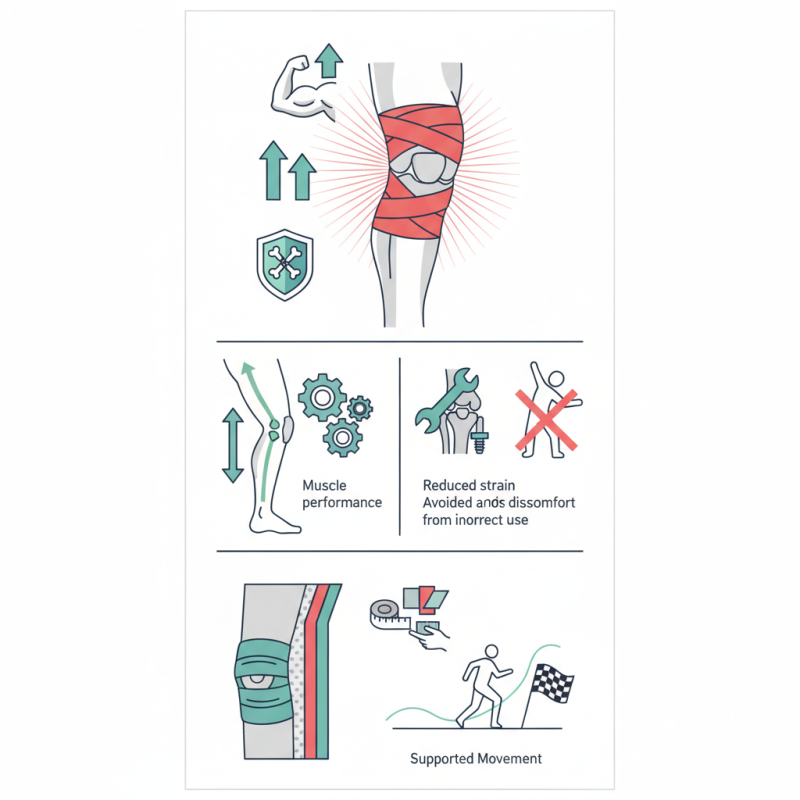
The effectiveness of Knee Wraps comes from their ability to compress and support muscles. This compression can help increase blood flow, leading to better muscle performance. With proper use, Knee Wraps can reduce the risk of strains and sprains. However, incorrect usage may lead to discomfort or restrict natural movement.

Choosing the right Knee Wraps is crucial for optimal results. Consider the material and level of compression that suits your needs. It's also important to listen to your body. Remember, the goal is to support your performance, not hinder it.
Why Choose Knee Wraps for Optimal Support and Performance?

The Importance of Knee Wraps in Athletic Performance Enhancement

Knee wraps play a crucial role in enhancing athletic performance. They offer support during intense workouts and heavy lifts. This support helps reduce the risk of injury. When athletes feel secure, they can push their limits. The psychological reassurance boosts confidence, allowing for better performance.

Using knee wraps can also improve biomechanics. They help stabilize the knee joint, which can lead to improved lifting technique. However, relying too much on them can be counterproductive. Athletes may neglect addressing underlying weaknesses. It’s essential to maintain a balanced approach, combining wraps with strength training.

The effectiveness of knee wraps varies from person to person. Some may feel an immediate benefit, while others might not notice significant changes. Experimenting with different types is crucial. Listening to your body is necessary to ensure you are not over-relying on support. It’s important to recognize that wraps are tools, not solutions.

Understanding the Anatomy of the Knee and Its Vulnerabilities

The knee is a complex joint that plays a significant role in our mobility. It consists of bones, cartilage, ligaments, and tendons. This intricate anatomy makes the knee vulnerable to injuries, especially during high-impact activities. The ligaments, such as the anterior cruciate ligament (ACL), are critical for stability. Any damage to these structures can lead to severe consequences.

Knee wraps can provide the support needed. They help stabilize the kneecap and reduce the risk of injury during workouts or sports. This external compression enhances proprioception, making you more aware of your knee’s position. However, improper use can lead to dependency or weaken surrounding muscles. Users often neglect to balance supportive gear with strength training.

An understanding of individual knee vulnerabilities is essential. Personal assessments can guide the appropriate choice of knee wraps. Not all wraps are the same; finding the right fit and tension is crucial. Over-reliance on knee wraps can hinder natural recovery. Listening to your body and incorporating rest is vital for long-term health.

Key Benefits of Using Knee Wraps for Injury Prevention and Recovery

Knee wraps are becoming increasingly popular among athletes and fitness enthusiasts. They provide crucial support during heavy lifts and high-impact activities. Many experts stress the importance of proper knee support to prevent injuries. According to a study by the American Journal of Sports Medicine, athletes using knee wraps reported a 30% reduction in knee-related injuries.

These wraps help stabilize the knee joint during intense physical activity. They create compression, which can enhance blood flow to the area. Improved circulation can aid in recovery after workouts. A survey of powerlifters found that 65% felt knee wraps contributed to faster recovery times. This is significant for anyone pushing their limits in training.

However, relying solely on wraps may lead to complacency. Using them incorrectly or too often could weaken the supporting muscles. Some trainers recommend mixing knee wrap use with strength training for the surrounding muscles. This balanced approach promotes longevity and performance enhancement without over-reliance on external support.

Comparative Analysis: Knee Wraps vs. Other Knee Support Options

Knee wraps offer substantial support during workouts, especially for weightlifting. They provide compression to stabilize the knee joint, minimizing the risk of injury. This level of support can significantly enhance overall performance, allowing individuals to push through their limits safely.

When comparing knee wraps to other options like sleeves or braces, the differences become apparent. Knee sleeves offer warmth and light support, but they lack the stability that wraps provide. Some athletes find sleeves restrictive during heavy lifts. On the other hand, knee braces may immobilize the joint too much, hindering movement. Each option has its merits, but knee wraps can strike a balance between freedom and security.

Finding the right fit is essential. Not all knee wraps are made equal. A poorly fitting wrap can cause discomfort or even lead to injury. It’s crucial to take the time to try different wraps. Reflecting on personal experiences can guide better choices in the future. Addressing these nuances can significantly impact your performance and health.

Industry Statistics on Knee Injuries and the Role of Wraps in Prevention

Knee injuries are increasingly common among athletes and fitness enthusiasts. Recent statistics highlight that nearly 25% of all sports injuries involve the knee. This alarming number calls for effective preventive measures. Knee wraps offer a practical solution, providing support and stability during physical activities.

The role of knee wraps extends beyond mere protection. They help in maintaining proper alignment of the knee joint, which can prevent undue stress on ligaments. Many athletes have reported reduced pain and quicker recovery times when using knee wraps. The compressive nature of these wraps promotes blood circulation, which is vital for healing. However, not all wraps are created equal. Some may restrict movement too much, leading to discomfort or even further injury.

Understanding the right fit and level of support is crucial. Each athlete's needs vary, and it is important to seek expert advice. While wraps can significantly aid in injury prevention, they should not be relied upon exclusively. Balancing their use with proper training and conditioning is essential for optimal performance. Consulting a professional can ensure safe and effective usage of knee wraps in your routine.

FAQS

: What are knee wraps used for in athletics?

: Knee wraps provide support during intense workouts and help reduce the risk of injuries.

How do knee wraps affect performance?

They boost confidence, allowing athletes to push their limits during physical activity.

Can knee wraps improve lifting technique?

Yes, they stabilize the knee joint, leading to better lifting biomechanics.

Are knee wraps suitable for everyone?

The effectiveness varies; some athletes feel benefits, while others may not notice much change.

What’s a potential downside of using knee wraps?

Over-reliance can weaken surrounding muscles and lead to dependency.

How should one combine knee wraps with training?

It’s crucial to balance their use with strength training for long-term benefits.

What happens if knee wraps are used improperly?

Improper use can cause dependency and may hinder natural recovery of the knee.

How can one choose the right knee wraps?

Personal assessments help guide the choice of wraps, considering fit and tension.

What role do knee wraps play in recovery?

They enhance blood flow, which can speed up recovery after intense workouts.

Why is it important to listen to your body when using wraps?

Listening helps prevent over-reliance and ensures a balanced approach to knee health.

Conclusion

Knee wraps are essential tools for enhancing athletic performance and safeguarding the knee joint. Understanding the anatomy of the knee and its inherent vulnerabilities is crucial, as athletes often face the risk of injury. Knee wraps provide significant support, helping to stabilize the joint during high-impact activities, ultimately reducing the likelihood of injuries. They play a vital role not only in injury prevention but also in recovery, enabling athletes to maintain their performance levels.

A comparative analysis reveals that knee wraps offer advantages over other knee support options, making them a preferred choice among athletes. With industry statistics highlighting the prevalence of knee injuries, the importance of utilizing knee wraps cannot be overstated. Their use in training regimens and competitive environments can profoundly impact an athlete's ability to perform at their best while minimizing injury risks.


Mason

Mason

Mason is a seasoned marketing professional with a deep expertise in the company's offerings and a passion for driving brand awareness. With a strong background in digital marketing strategies, he has an innate ability to connect with diverse audiences and effectively communicate product benefits.......